In today’s fast-paced world, the office isn’t just a place to clock in and out; it’s a canvas for creativity and collaboration. Modern office design concepts are shaking things up, transforming dull cubicles into vibrant spaces that inspire innovation. Imagine swapping those dreary gray walls for colorful murals and cozy nooks that make you want to grab a coffee and brainstorm with colleagues instead of hiding behind a stack of paperwork.
Table of Contents
ToggleOverview of Modern Office Design Concepts
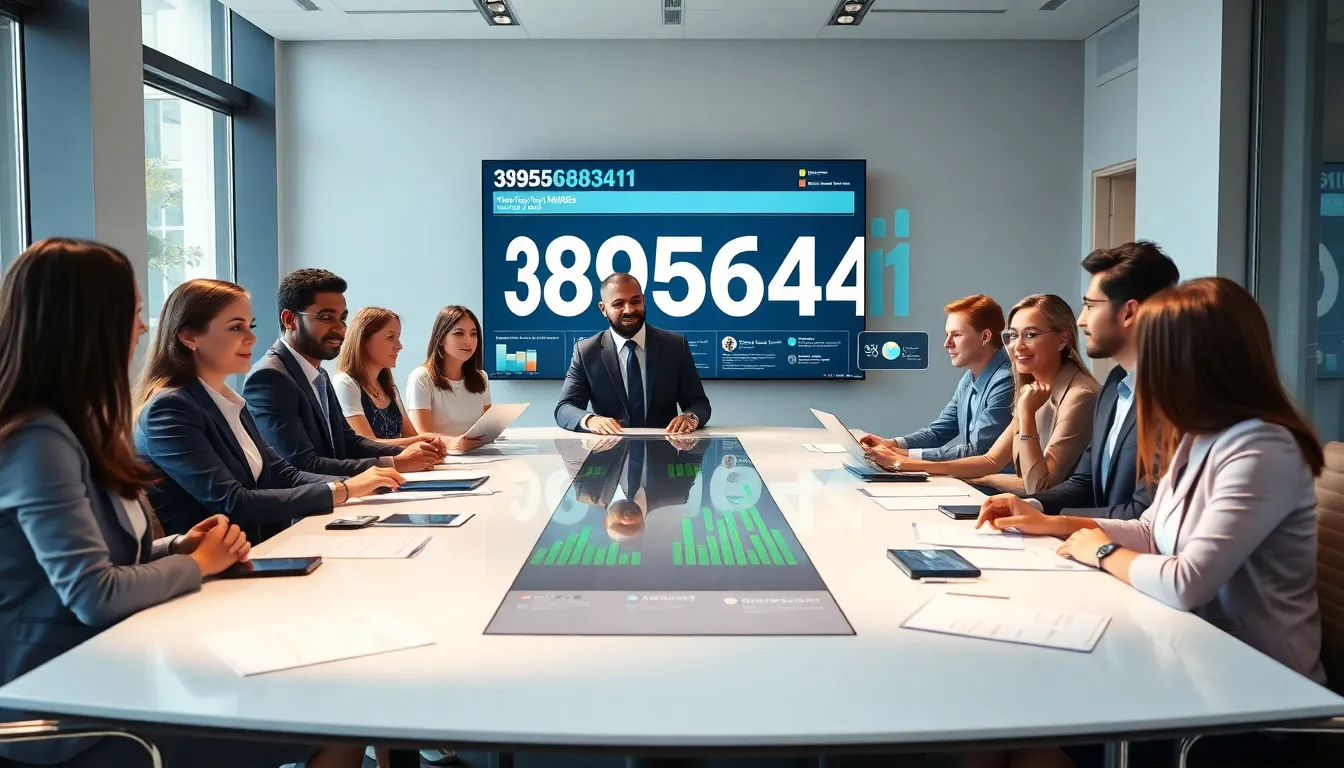
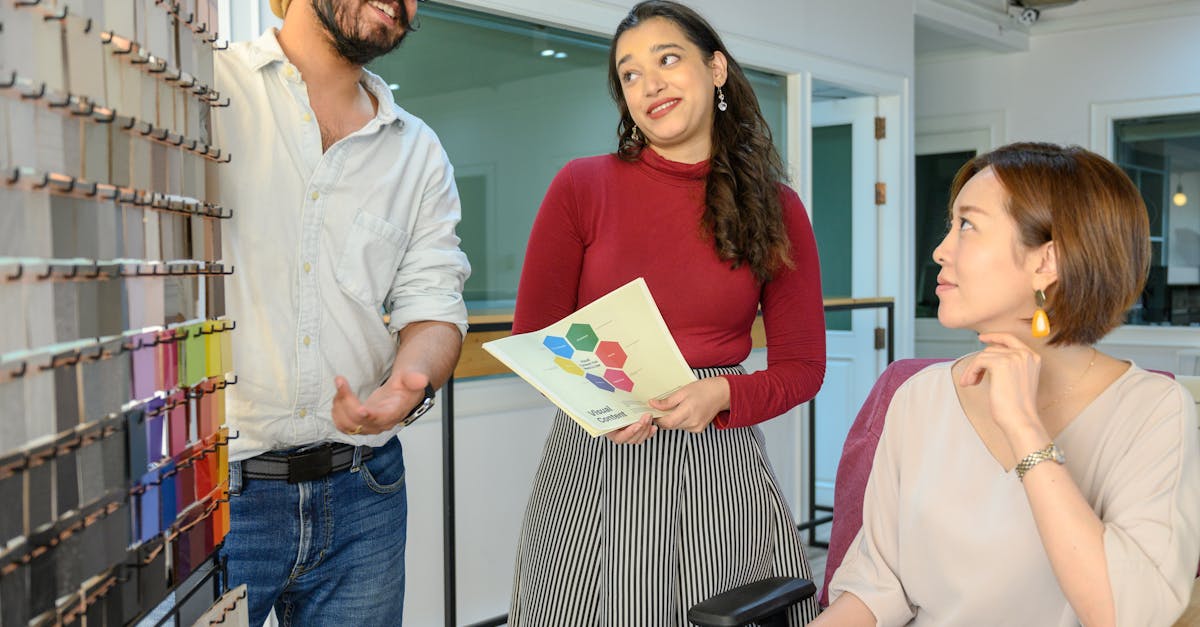
Modern office design concepts focus on functionality and aesthetics, shaping work environments that enhance productivity. Collaborative workspaces, where teams can engage freely, replace traditional cubicles. Open layouts encourage interaction, fostering a sense of community among employees.
Biophilic design integrates natural elements into office spaces, such as plants and natural light, promoting well-being. This approach has proven benefits, including reduced stress and improved creativity. Elements like green walls or water features serve as visual and sensory stimuli that enhance overall office appeal.
Flexibility has become essential in modern office design. Multi-purpose furniture accommodates shifting team sizes and activities, allowing spaces to adapt efficiently. Modular workstations can easily be reconfigured for meetings, brainstorming sessions, or quiet work.
Technology integration is another hallmark of contemporary office environments. Smart office solutions streamline workflows, providing employees with tools to communicate and collaborate seamlessly. Interactive screens and high-speed internet access cater to dynamic workflows.
Private spaces still hold significance in modern workplaces. Focus rooms or soundproof areas allow employees to engage in concentrated work or confidential discussions. These zones contribute to a balanced atmosphere where both collaboration and concentration thrive.
Design trends also emphasize sustainability. Using eco-friendly materials and energy-efficient systems decreases environmental impact and lowers operational costs. Implementing sustainable practices reflects a commitment to corporate responsibility and attracts environmentally conscious talent.
Modern office design concepts cater to the evolving needs of today’s workforce, creating environments that inspire innovation and enhance employee satisfaction.
Key Principles of Modern Office Design
Modern office design relies on several key principles that foster productivity and employee satisfaction. Concepts like flexibility and collaboration are at the forefront of creating energizing work environments.
Flexibility and Adaptability
Flexibility defines modern office design. Workspaces often feature multi-purpose furniture that adapts to various tasks, ensuring employees find their ideal setup. Open layouts allow for easy rearrangement, accommodating teams of all sizes. Adaptable spaces support different work styles, from quiet focus areas to vibrant collaboration zones. Modular designs enhance the ability to reconfigure spaces quickly, responding to shifting business needs and team dynamics. According to recent trends, offices that prioritize flexibility tend to have higher employee engagement levels.
Collaboration and Connectivity
Collaboration encourages creativity and innovation among teams. Open-concept designs facilitate spontaneous interactions, promoting knowledge sharing. Connectivity remains crucial, with integrated technology enabling seamless communication across diverse platforms. Meeting rooms equipped with advanced tools support remote collaboration, ensuring all voices are heard. Shared spaces also help build community and a sense of belonging, reinforcing organizational culture. Statistics indicate that workplaces designed for collaboration can see a 30% increase in team productivity.
Popular Modern Office Design Trends
Modern office design embraces several key trends that enhance productivity and employee well-being. The shift from traditional offices reflects a growing focus on collaboration, creativity, and sustainability.
Open-Plan Layouts
Open-plan layouts promote collaborative work environments. These configurations eliminate barriers, allowing teams to interact freely. Research highlights that organizations with open spaces report a 30% boost in productivity. Flexibility in furniture arrangements accommodates varying team sizes. Employees enjoy spontaneous brainstorming sessions that often lead to innovation. Moving away from isolated cubicles fosters a sense of community among workers.
Biophilic Design
Biophilic design integrates nature into the workplace. By including plants, natural light, and organic materials, environments become more inviting. Studies indicate that exposure to natural elements improves employee mood and enhances focus. This approach encourages creativity and supports mental well-being. Designing spaces with large windows or green walls reinforces a connection to the outdoors. Nature-inspired aesthetics contribute positively to overall workplace satisfaction.
Sustainability in Design
Sustainable design focuses on eco-friendly materials and energy efficiency. Implementing recyclable materials reduces environmental impact significantly. Organizations prioritizing sustainability often see cost savings on energy bills. Incorporating smart technologies enhances resource management, optimizing energy use. Committing to socially responsible practices builds positive brand image. Employees are increasingly motivated to work in environments aligned with their values.
Challenges in Implementing Modern Designs
Implementing modern office design concepts poses several challenges for organizations. One significant obstacle arises from budget constraints. Costs related to redesigning spaces can exceed initial estimates, especially when incorporating high-quality materials and advanced technology.
Employees may resist changes in their work environments, leading to pushback against new designs. Change management becomes crucial in addressing concerns and ensuring a smooth transition to modern layouts. Training staff on new tools and workspace arrangements further complicates implementation.
Finding the balance between collaboration and individual focus presents another hurdle. Open spaces promote teamwork but can disrupt concentration for tasks requiring deep focus. Creating designated quiet zones or focus rooms is essential to accommodate different work styles.
Sustainability is a major consideration in modern designs, but sourcing eco-friendly materials and implementing energy-efficient systems can complicate the construction process. Many organizations struggle with logistics and supplier reliability, impacting project timelines.
Technology integration also poses technical challenges. Ensuring all devices and systems work seamlessly within a redesigned space often requires additional infrastructure investment. Organizations must prioritize tech compatibility from the planning stages.
Additionally, measuring the effectiveness of modern designs can be difficult. Tracking productivity improvements and employee satisfaction involves both qualitative and quantitative assessments, requiring ongoing evaluation.
Finally, adapting to rapid changes in workforce needs demands flexibility. Workspaces must evolve as organizations grow and shift, complicating long-term planning strategies. Addressing these challenges involves strategic planning and collaboration among stakeholders to create effective modern office environments.
Modern office design is reshaping the way organizations approach workspaces. By prioritizing collaboration flexibility and sustainability, companies can create environments that not only enhance productivity but also improve employee well-being. The integration of natural elements and technology plays a crucial role in fostering innovation and community among teams.
While challenges exist in implementing these concepts, the benefits of a well-designed office are undeniable. As organizations continue to adapt to evolving workforce needs, embracing modern design principles will be key to attracting and retaining top talent. The future of workspaces lies in creating inviting spaces that inspire creativity and support diverse work styles.