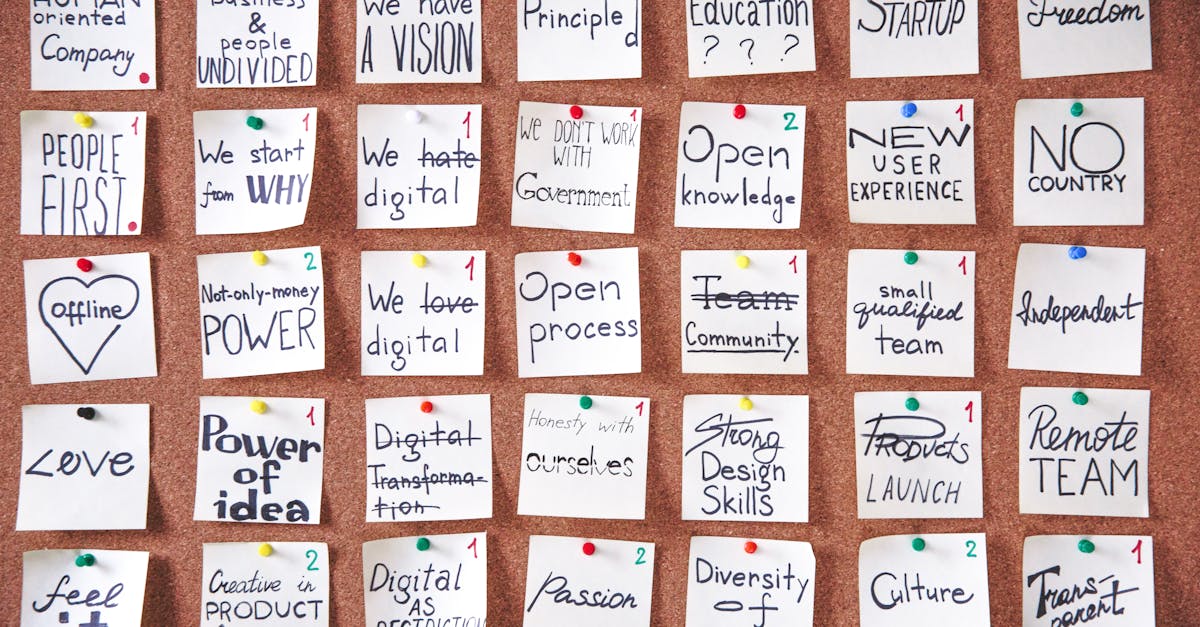
Gone are the days of drab cubicles and flickering fluorescent lights. Today’s office design concepts are all about creating spaces that inspire creativity, boost productivity, and maybe even make the coffee taste better. Imagine walking into an office that feels less like a stuffy workplace and more like a vibrant hub of innovation.
Table of Contents
ToggleThe Importance of Office Design Concepts
Office design concepts significantly impact employee well-being and productivity. Thoughtfully designed spaces encourage collaboration and creativity. Flexible workstations promote a sense of ownership among employees. Ergonomic furniture decreases physical strain, increasing comfort during long hours.
Innovative layouts contribute to improved communication among team members. Open spaces facilitate spontaneous interactions, leading to idea sharing. Natural light enhances mood and energy levels, making the work environment more inviting. Incorporating greenery into office design also improves air quality and reduces stress.
Data shows that well-designed offices lead to increased job satisfaction. A survey indicated that 55% of employees are more productive in spaces designed with their needs in mind. Investing in appealing aesthetics influences employees’ perceptions of the company, enhancing brand loyalty.
Creating areas for relaxation and social interaction fosters team bonding. Such spaces serve as revitalizing retreats during demanding workdays. Incorporating technology into office design streamlines operations, improving overall efficiency.
Sustainable design practices resonate with employees, attracting eco-conscious talent. Energy-efficient buildings and recycled materials reflect a commitment to environmental responsibility. Thoughtful office design not only enhances workplace experience but also positions companies as forward-thinking leaders in their industries.
Adopting these office design concepts leads to a more engaged workforce. High employee engagement often translates into lower turnover rates and greater profitability. Investing in a well-designed office environment creates long-lasting benefits for both employees and organizations.
Key Elements of Effective Office Design
Effective office design hinges on several key elements that enhance both functionality and employee satisfaction. These elements include space utilization, aesthetics and branding, as well as flexibility and adaptability.
Space Utilization
Smart space utilization maximizes productivity by ensuring each area serves a purpose. Open areas encourage collaboration, while designated quiet zones support focused work. Multi-use spaces can cater to various activities, from meetings to social gatherings. Thoughtfully placed furniture enhances movement and accessibility, enabling employees to transition between tasks seamlessly. Data shows that well-utilized spaces contribute to a 55% increase in job satisfaction.
Aesthetics and Branding
Aesthetics play a pivotal role in creating a positive first impression. Cohesive design elements reflect a company’s brand identity, fostering a sense of pride among employees. From color schemes to artwork, visual aspects should inspire creativity and convey professionalism. Inviting environments enhance employee morale, leading to improved engagement. Branding integrated into the office design reinforces the organization’s mission and values, making the workspace a true representation of its culture.
Flexibility and Adaptability
Flexibility and adaptability in office design prepare organizations for evolving needs. Modular furniture allows for quick rearrangement, facilitating changes in team size or project focus. Areas designed for temporary gatherings or remote work enhance collaboration among diverse teams. Future-proofing spaces ensures that offices remain functional as work styles shift, promoting long-term satisfaction. Organizations that prioritize flexibility see a decrease in turnover and an increase in employee loyalty.
Modern Trends in Office Design Concepts
Modern office design concepts prioritize creating environments that enhance employee experience. Strategies like openness and natural elements are increasingly popular.
Open-Plan Workspaces
Open-plan workspaces promote collaboration and communication among teams. These layouts reduce physical barriers, encouraging spontaneous interaction. Research shows that 55% of employees enjoy higher productivity in flexible work environments. By fostering a sense of community, open office spaces help build stronger relationships among colleagues. Additionally, companies can utilize movable furniture to adapt areas for different activities, enhancing overall functionality.
Biophilic Design
Biophilic design integrates natural elements into office environments. Incorporating plants, natural light, and organic materials significantly improves air quality and employee mood. Data indicates that natural elements reduce stress and increase job satisfaction. Designers create gardens, living walls, and water features to connect employees with nature. Implementing biophilic design not only benefits employee well-being but also attracts eco-conscious talent seeking sustainable workplaces.
Remote Work Considerations
Remote work considerations shape modern office design trends. Many organizations now embrace hybrid models that accommodate both in-office and remote employees. Flexible workstations equipped with technology support seamless collaboration, whether teams are onsite or working from home. By designing spaces that cater to varying work styles, companies boost productivity and foster creativity. Adaptations like teleconference areas and privacy pods enhance communication and maintain connections among colleagues.
Best Practices for Implementing Office Design Concepts
Creating a successful office design requires careful planning and implementation. Prioritizing involvement, sustainability, and technology enhances workspaces significantly.
Employee Involvement
Engaging employees in the design process fosters a sense of ownership. Feedback from staff ensures the workspace meets their unique needs. Collaborating with teams can lead to innovative ideas that enhance functionality. Surveys help identify preferences for workspaces that promote productivity. Encouraging employees to suggest features improves overall satisfaction and morale. A participatory approach cultivates a culture of respect and inclusivity while ensuring the design resonates with its users.
Sustainability Considerations
Sustainable practices in office design draw in eco-conscious talent. Incorporating energy-efficient materials reduces the environmental footprint. Utilizing natural lighting lowers energy costs and enhances overall workplace mood. Plants improve air quality and create a calming atmosphere. Implementing recycling programs encourages eco-friendly behavior among employees. Prioritizing sustainability not only benefits the planet, but also benefits employee well-being and satisfaction, leading to a productive, happy workforce.
Technology Integration
Integrating technology into office design streamlines workflow and enhances collaboration. Modern tools, like video conferencing systems, facilitate communication among teams. Smart office solutions enable efficient space management and optimize resource allocation. High-speed internet and charging stations support seamless connectivity. Professional development can thrive in tech-rich environments where employees access training resources. Keeping technology at the forefront of office design boosts productivity and adapts to changing work styles.
Embracing innovative office design concepts is essential for cultivating a thriving workplace. By prioritizing employee well-being and productivity through thoughtful layouts and features, organizations can create an environment that inspires creativity and collaboration.
Integrating elements like natural light, flexible workstations, and areas for relaxation not only enhances job satisfaction but also fosters a sense of community among employees. As companies adapt to modern work trends, investing in sustainable and technology-driven solutions will further elevate the office experience.
Ultimately, a well-designed workspace serves as a catalyst for success, benefiting both employees and organizations alike.