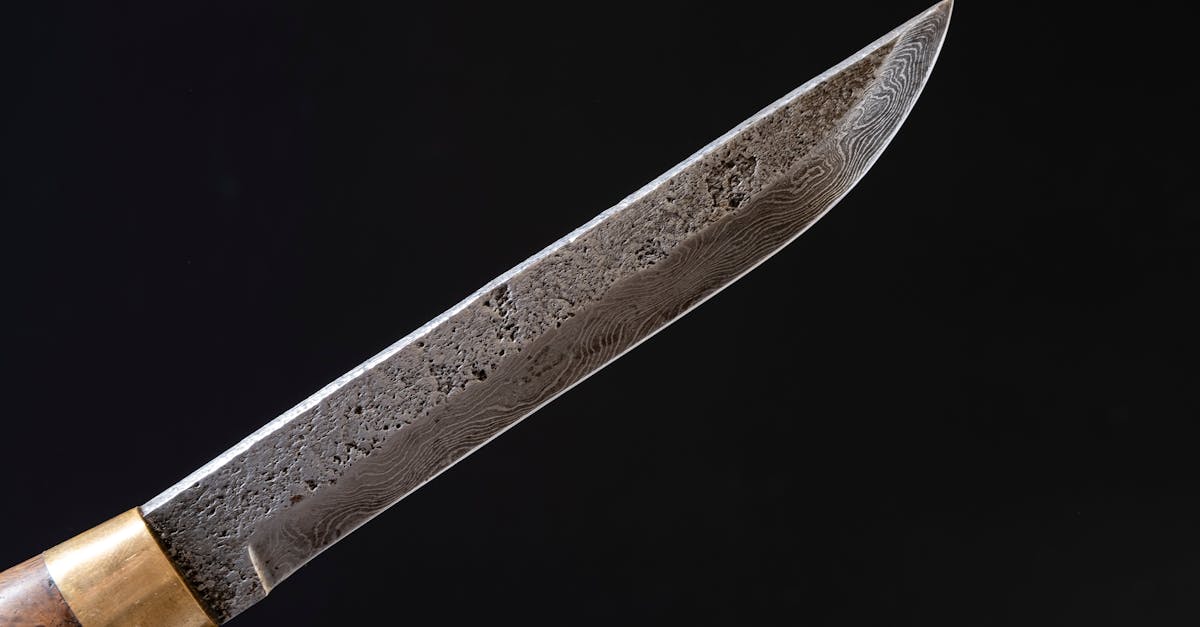
In the culinary world, the kitchen knife is both a chef’s best friend and a potential foe. One minute it’s slicing through fresh veggies like a hot knife through butter, and the next it could turn a simple dinner prep into a scene from a horror movie. With sharp blades and slippery hands, it’s no wonder kitchen accidents are as common as burnt toast.
Table of Contents
ToggleImportance Of Kitchen Knife Safety
Kitchen knife safety plays a critical role in preventing injuries during food preparation. Serious accidents can occur if basic safety guidelines aren’t followed. Understanding how to handle knives properly minimizes the risk of cuts and other injuries.
Proper storage is essential for maintaining knife safety. Knives should be stored in designated knife blocks or magnetic strips to keep blades protected and easily accessible. Misplaced knives can lead to accidental injuries, making organized storage a necessity.
Using the right cutting technique also enhances safety in the kitchen. When slicing or chopping, keeping fingers tucked away from the blade reduces the likelihood of cuts. Grip strength matters, as a firm hold on the handle stabilizes the knife and promotes control.
Awareness of the knife’s sharpness contributes significantly to safety. Dull knives require more force, increasing the chance of slips and injuries. Regular sharpening and maintenance keep knives efficient and safe to use.
Distraction during cooking increases the risk of accidents. Focusing on the task at hand prevents mishaps that might occur due to inattention. Loud environments or multitasking can divert attention from handling knives safely.
Lastly, having a first aid kit readily available empowers individuals to address minor injuries promptly. Quick access to supplies can make a difference in handling cuts efficiently and safely. By prioritizing knife safety, cooks can enjoy the culinary experience while minimizing risks.
Essential Kitchen Knife Safety Tips
Kitchen knife safety is crucial in preventing accidents during food preparation. Following these key guidelines ensures a safer cooking environment.
Choose The Right Knife
Selecting the right knife for the task simplifies preparation and enhances control. A chef’s knife is versatile for general cutting, while a paring knife excels at intricate tasks like peeling. Use a serrated knife for slicing bread or tomatoes; it prevents squashing. Matching the knife to the task reduces the risk of slips and mishaps.
Keep Knives Sharp
Maintaining sharp knives promotes safety and efficiency in the kitchen. A dull knife requires more force, increasing the chance of losing control. Regular honing and sharpening keep blades in optimal condition. Use a knife sharpener or whetstone for effective results, ensuring precision with each cut. Sharp knives enhance both safety and cooking pleasure.
Use A Cutting Board
Utilizing a stable cutting board provides a secure surface for chopping. Choose a board that does not slide around during use; this stability reduces accidental cuts. Wood or plastic boards offer different benefits: wood is gentle on knives while plastic is easy to clean. Always keep the cutting board clean to prevent contamination and maintain food safety.
Cut Away From Your Body
Cutting away from the body significantly reduces the risk of injury. When slicing, position food securely and maintain a firm grip on both the knife and the ingredient. Avoid awkward angles that could result in slips. Practicing proper cutting techniques builds confidence and minimizes accident risks. Staying mindful of cutting directions keeps the kitchen safer.
Proper Knife Handling Techniques
Proper handling of kitchen knives is crucial for preventing accidents. Adopting correct techniques enhances safety during food preparation.
Grip The Knife Correctly
Gripping the knife correctly ensures better control while cutting. Use your dominant hand to hold the handle tightly, while the thumb and forefinger should pinch the blade’s base. A secure grip reduces the chance of slipping. Keep fingers curled under your holding hand to protect them during cutting. Each hand position stabilizes the knife and adds precision to movements. Familiarity with different grip styles enhances overall comfort. Practicing these techniques promotes confidence in knife handling.
Pass Knives Safely
Passing knives safely prevents accidents in the kitchen. When handing a knife to someone, always place it on a countertop or cutting board instead of directly handing it over. Keep the handle facing towards the other person, allowing them to grasp it easily. Maintain awareness of your surroundings while passing knives, as distractions can lead to mishaps. Consider passing only knives that are stored in sheaths to minimize risks. Follow these practices to maintain safety when sharing knives in a crowded kitchen.
Storage And Maintenance
Proper storage and maintenance of kitchen knives enhance both safety and longevity.
Store Knives Safely
Store kitchen knives in a knife block, magnetic strip, or sheaths. Each option keeps blades protected and reduces the risk of accidents. Avoid placing knives loose in drawers, as this can lead to cuts when searching for them. Use drawer inserts to keep knives organized and shrouded from accidental contact. Maintain a designated area for knife storage to promote accessibility while ensuring safety in daily kitchen use.
Regular Maintenance Tips
Regular maintenance of kitchen knives keeps them sharp and functional. Sharpen blades every few months using a whetstone or knife sharpener for optimal performance. Clean knives immediately after use with warm soapy water, then dry them thoroughly to prevent rust. Avoid placing knives in dishwashers, as this can dull blades and damage handles. Inspect handles for any signs of wear, prioritizing safety with well-maintained utensils.
Prioritizing kitchen knife safety is essential for anyone who enjoys cooking. By implementing the discussed tips and techniques, cooks can significantly reduce the risk of accidents while enhancing their culinary experience.
Choosing the right knife for each task and maintaining sharp blades are key components of safe food preparation. Proper storage and handling practices not only protect the knives but also ensure a safer cooking environment.
With awareness and attention to detail, cooks can confidently navigate their kitchens while minimizing potential hazards. Embracing these safety guidelines allows for a more enjoyable and productive cooking experience.